Analyses

Analysis | texfash
China Draws on Large Stocks While Other Importers Compete for Scarce Cotton

China Draws on Large Stocks While Other Importers Compete for Scarce Cotton

15 October 2026

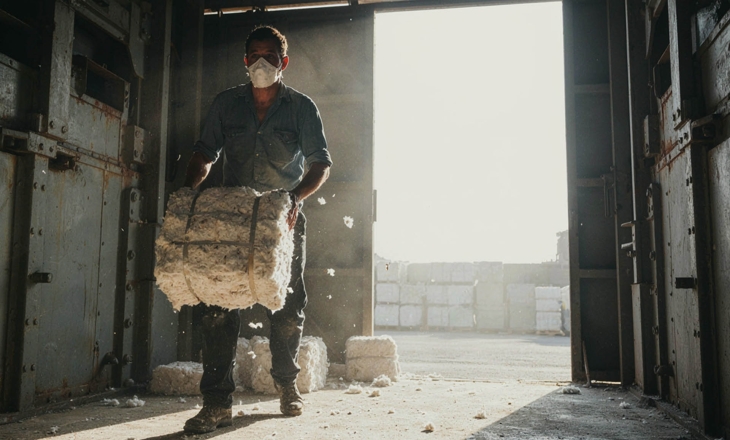
The world's cotton importers have shifted towards a single dominant exporter at a time of rising weather risk. Brazil shipped 3.37 million tonnes in 2025/26, far ahead of the United States, and its Centre-West cotton belt is in El Niño's dry zone. Conab and StoneX both expect each hectare of Brazilian cotton to yield less this season.

MORE
Analysis | texfash
A Weather Shock to Cotton Could Push Fashion Further Towards Fossil Fibres

A Weather Shock to Cotton Could Push Fashion Further Towards Fossil Fibres

14 October 2026

Fashion's sourcing data and its fibre data are moving in different directions. Companies in Textile Exchange's benchmark raised the share of five fibres sourced through standards and certification programmes to 72% in 2025, while polyester took most of the growth in fibre output in 2024. A cotton shortfall driven by El Niño would show which measure defines progress.

MORE
Analysis | texfash
Early Warnings Do Little to Protect the Mills That Hold Physical Cotton

Early Warnings Do Little to Protect the Mills That Hold Physical Cotton

13 October 2026

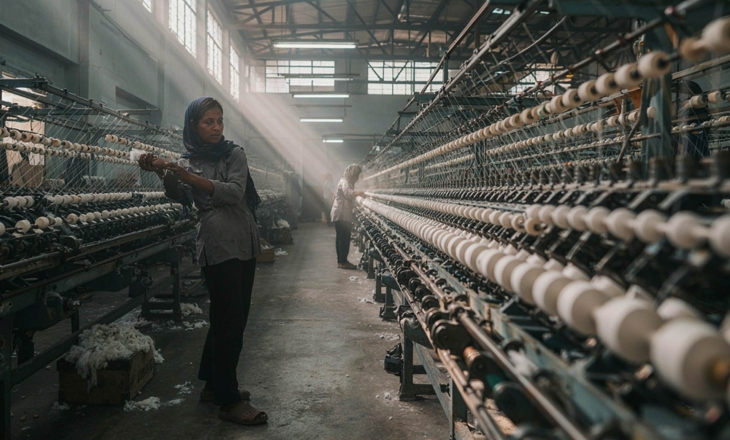
Global cotton supply is projected to fall short of demand independently of El Niño. The USDA's August figures put the gap at about 5.3 million bales, and prices rallied on supply concerns before falling back by about a tenth. For spinners that contracted near the peak, a weather shock later this year would compound an existing loss.

MORE
Analysis | texfash
Recycling Cannot Repair What the Production Phase Has Already Locked In

Recycling Cannot Repair What the Production Phase Has Already Locked In

2 September 2026

The environmental debate around fast fashion has long turned on a single question: cotton or polyester, which is greener. A comprehensive lifecycle assessment now suggests the question itself was misplaced. Tracing garments from raw material through disposal, the research finds transport mode and garment lifespan reshape emissions by margins that no fibre substitution can match.

MORE
Analysis | texfash
Affordable Clothing for Millions Hangs on a Regulatory Debate Built Without Evidence

Affordable Clothing for Millions Hangs on a Regulatory Debate Built Without Evidence

9 June 2026

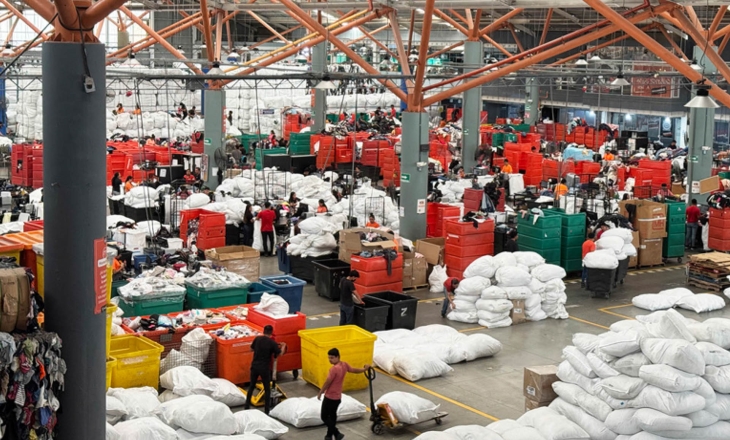
Regulatory pressure on the global secondhand clothing trade is building in Brussels, Washington, and Geneva, shaped by the widespread belief that exports to Africa amount to little more than waste disposal. Field evidence from East African markets tells a different story, one in which market incentives, trust-based quality systems, and consumer affordability constraints combine to keep textile waste to a fraction of imported bales.

MORE
Analysis | texfash
The Carbon Neutral Deal between China and Egypt That Neither Side Can Yet Prove

The Carbon Neutral Deal between China and Egypt That Neither Side Can Yet Prove

25 May 2026

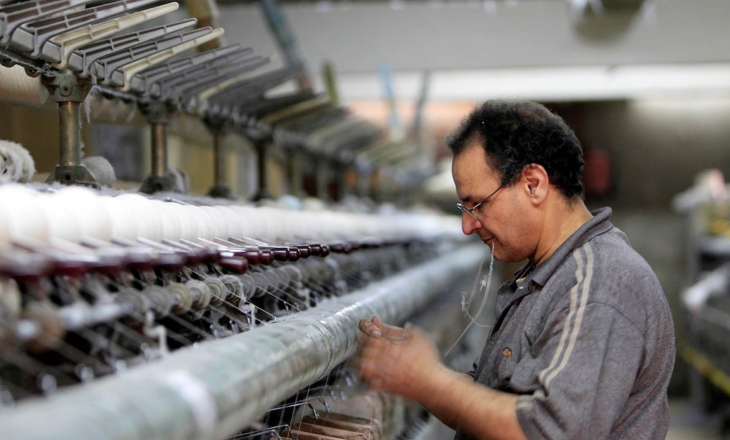
A proposed $2 billion carbon-neutral textile city in Egypt's Suez Canal Economic Zone is the largest single expression of a structural shift that has been accumulating since at least 2019. Chinese manufacturers under mounting pressure to demonstrate lower-carbon supply chains have been moving into Egyptian industrial zones in accelerating volume. The announcement makes that movement legible for the first time at scale.

MORE
Analysis | texfash
The Fight Over Cotton's Future Is a Fight Over Accounting

The Fight Over Cotton's Future Is a Fight Over Accounting

21 May 2026

A new lifecycle assessment released today by Cotton Incorporated reframes how the fibre's environmental performance is measured and contested. The study produces a net-negative carbon footprint at the farm gate while leaving open significant questions about the methodological assumptions and farming system consistency that underpin that finding, with implications that extend well beyond the fibre itself.

MORE
Analysis | texfash
AI Promises Efficiency but the Fashion Industry Needs a Political Reckoning

AI Promises Efficiency but the Fashion Industry Needs a Political Reckoning

20 May 2026

Ten years is a long horizon in any industry, but in AI it may be a category error. Fashion for Good's mapping of a 2036 AI-native supply chain is technically grounded and operationally serious. The structural questions it leaves unanswered, around rebound effects, labour transition, legal accountability, and regulatory reach, are the ones that will determine whether the vision it describes produces genuine progress or faster versions of the same systemic failures.

MORE
Analysis | texfash
India Cannot Sell Its Cotton to the World Until It Admits Why the World Stopped Buying

India Cannot Sell Its Cotton to the World Until It Admits Why the World Stopped Buying

8 May 2026

India's cotton sector has a productivity problem, a quality problem and a market-credibility problem. On Tuesday, the Union Cabinet approved a Rs 5,659.22 crore mission that proposes to address all three simultaneously, through seeds, ginning modernisation, traceability infrastructure and a national branding programme. What the mission does not address may be more revealing than what it does.

MORE
Analysis | texfash
The Sportswear Market Has Changed the Rules and the Biggest Players Are Exposed

The Sportswear Market Has Changed the Rules and the Biggest Players Are Exposed

28 April 2026

The global sportswear market is entering a slower, more demanding phase. HSBC's decision to cut Nike from Buy to Hold, slashing its price target from US$90 to US$48, has focused investor attention on a sector where modest growth, rising tariff costs and intensifying competition are making inherited scale a less reliable advantage than it once was.

MORE