Headshots and Business Portraits

Headshots are the bread and butter of many photography businesses, and the ones that sell are the ones where the subject looks confident. Peter Hurley's methods of directing and posing anchor this set, alongside one-light setups that work at home or in a corporate office, high-volume workflows for schools and companies, the cinematic headshot style, and the business-portrait mistakes that cost repeat clients.
Shoot Professional-Looking Headshots at Home

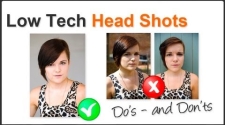
Mike Browne photographs model Abbie at her house to show low-tech headshots without studio lighting, warning against dappled sun and cluttered backgrounds. He checks hair and make-up, finds backlit and shaded spots in the garden with a reflector, then moves to the kitchen, where blinds and windows give wraparound light.

The Cinematic Headshot with Dylan Patrick

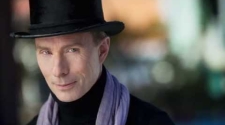
Fstoppers introduces Dylan Patrick's location headshot system, built for consistent, stylised results anywhere with at most two speedlights. Patrick zooms a 70-200mm to 200mm to melt a car-park background, sets a backlight parallel to the key and uses high-speed sync at 1/1250 and f/3.2 rather than f/7.1 at 1/250.

Corporate Headshots: 3 Looks in 30 Minutes

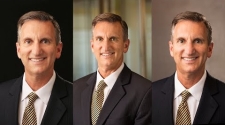
Jay P. Morgan shoots three corporate headshot looks in half an hour: a softbox key and gridded rim light against white flagged to grey, a black reflector cover for a dark background, and environmental portraits by the office windows with a strobe outside, all on an 85mm lens.

Peter Hurley: The Headshot Redefined

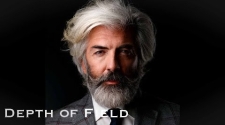
Peter Hurley's Depth of Field 2019 talk traces his path from a natural-light apartment to a Manhattan studio, coaching site and speaking career, urging photographers to charge and build multiple income streams. He rates images by lookability, stresses consistency and shows a trade-show portrait lit with Westcott LEDs.

How to Take Better Business Portraits

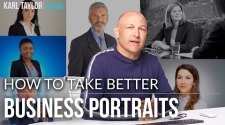
Karl Taylor explains business portrait priorities: the images represent the company rather than the individual, so clarify the brief and aim for confident, approachable subjects through better posture. He covers neutral grey backgrounds, storing paper rolls vertically, building lighting one light at a time and favouring a large softbox.

Peter Hurley's Top 5 Tips for Portraits and Headshots

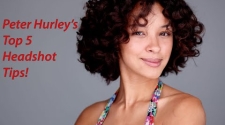
Peter Hurley runs through five headshot essentials with model Johanna: forehead out and chin down for the jawline, three angles to find the best side, a slight squinch for confidence, a hint of a smile rather than a forced grin for approachability, and a camera slightly below eye level.

High Volume Headshots: School Portraits, Corporate and Performing Artists

Matt Spaugh shoots about 400 school headshots alone over three days, stressing organisation: a spreadsheet of names and ID numbers, classes arriving alphabetically, and a school-provided assistant who feeds him numbers and satisfies his never-alone-with-students contract. Settings are f/5.6 and 1/200, with a Godox AD200 in a 43-inch softbox.

Headshot Crew Studio Series: Mike Sansone

Peter Hurley visits Chicago headshot photographer Mike Sansone, who moved from theatre school, Papa John's and school-bus driving to full-time headshots after finding Hurley's jawline tutorial. Sansone explains the email workflow behind his bookings: follow-ups with headshot tips, invoicing and scheduling sequences, and requests for Google and Yelp reviews.

Directing and Posing for Headshots with Peter Hurley

Peter Hurley works with Marina on what he calls the final ingredient of portraiture: direction. With gear, settings and lights locked down and repeatable, he concentrates on connection, using his hook-in-the-head, lasso-on-the-collarbones and string-to-the-lens cues to bring the jaw forward, sending arms down out of frame and avoiding over-tilting.

5 Business Portrait Mistakes to Avoid

Karl Taylor critiques member images from a live session for recurring business portrait errors: a shoulder exposed brighter than the face, cluttered equipment overpowering the hero subject, uneven forehead tones fixed with curves-based burning and dodging, and small distractions such as a wire seemingly growing from a chef's head.