texfash

Analysis | texfash
China Draws on Large Stocks While Other Importers Compete for Scarce Cotton

China Draws on Large Stocks While Other Importers Compete for Scarce Cotton

15 October 2026

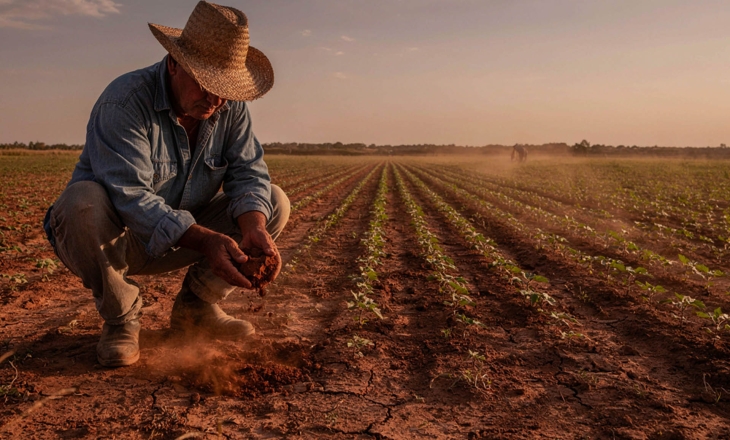
The world's cotton importers have shifted towards a single dominant exporter at a time of rising weather risk. Brazil shipped 3.37 million tonnes in 2025/26, far ahead of the United States, and its Centre-West cotton belt is in El Niño's dry zone. Conab and StoneX both expect each hectare of Brazilian cotton to yield less this season.

MORE
Analysis | texfash
A Weather Shock to Cotton Could Push Fashion Further Towards Fossil Fibres

A Weather Shock to Cotton Could Push Fashion Further Towards Fossil Fibres

14 October 2026

Fashion's sourcing data and its fibre data are moving in different directions. Companies in Textile Exchange's benchmark raised the share of five fibres sourced through standards and certification programmes to 72% in 2025, while polyester took most of the growth in fibre output in 2024. A cotton shortfall driven by El Niño would show which measure defines progress.

MORE
Analysis | texfash
Early Warnings Do Little to Protect the Mills That Hold Physical Cotton

Early Warnings Do Little to Protect the Mills That Hold Physical Cotton

13 October 2026

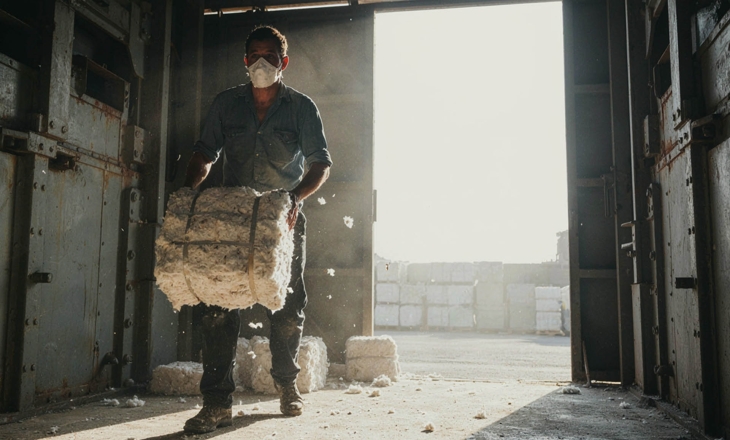
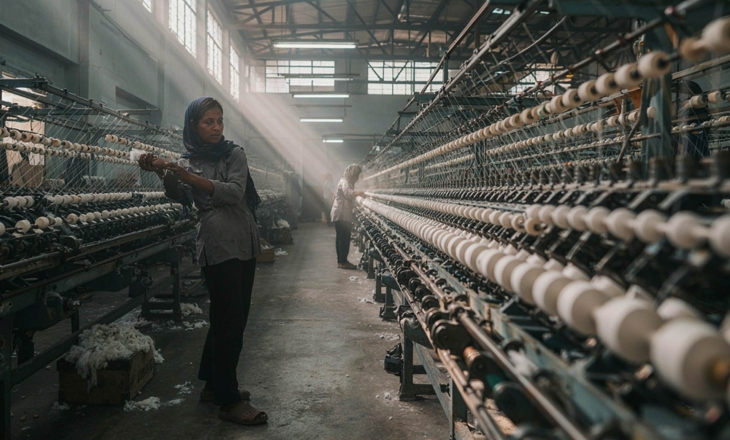
Global cotton supply is projected to fall short of demand independently of El Niño. The USDA's August figures put the gap at about 5.3 million bales, and prices rallied on supply concerns before falling back by about a tenth. For spinners that contracted near the peak, a weather shock later this year would compound an existing loss.

MORE
Interview | texfash
Lessons from Ghana, the Netherlands and Germany Will Be Tested against Indian Waste

Lessons from Ghana, the Netherlands and Germany Will Be Tested against Indian Waste

7 October 2026

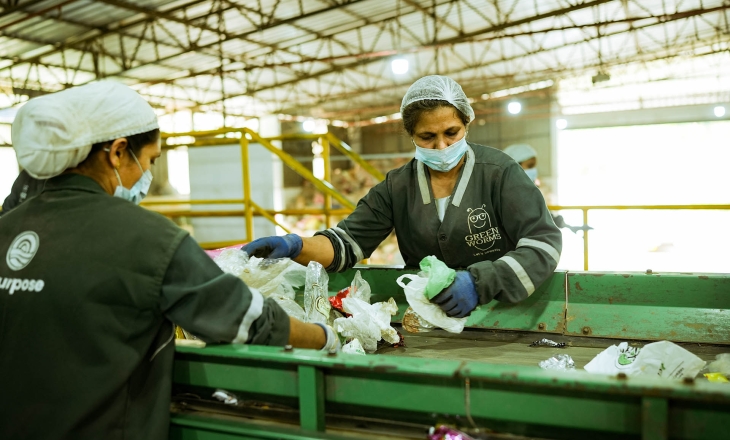
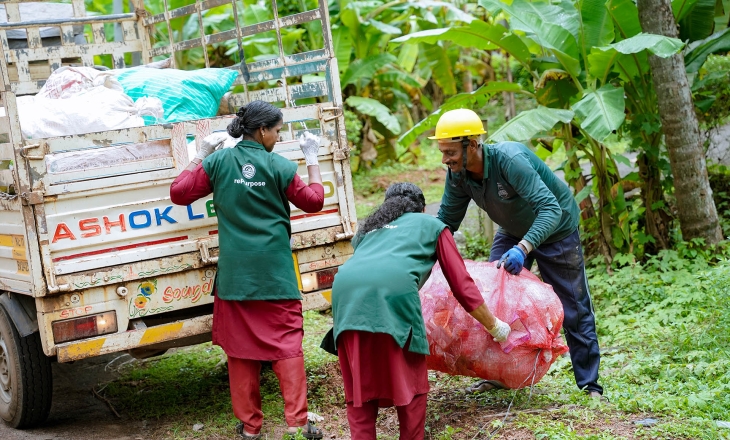
Much of India's textile waste is too mixed or contaminated to resell, reuse or recycle. Asha Singhal, Director, Nature of Fashion at The Biomimicry Institute, explains what the fourth Nature of Fashion pilot will target, what India can take from earlier work in Ghana, the Netherlands and Germany, and why local conditions must shape the technologies tested.

MORE
Interview | texfash
New Waste Technologies Must Work alongside Informal Collectors Rather than Replace Them

New Waste Technologies Must Work alongside Informal Collectors Rather than Replace Them

6 October 2026

India generates an estimated 7.8 million tonnes of textile waste a year, and much of the low-value, mixed or contaminated fraction has no commercially viable end-of-life pathway. Shruti Goel, Chief Executive Officer of Upaya Social Ventures, explains how a new accelerator run with The Biomimicry Institute will support decomposition enterprises while tying their growth to dignified, verifiable employment.

MORE
Interview | texfash
From Laboratory Swatch to Finished Garment, the Promise Must Hold at Every Stitch

From Laboratory Swatch to Finished Garment, the Promise Must Hold at Every Stitch

5 October 2026

Wellness claims in apparel can drift from what a fabric contains to what it supposedly does for the wearer, and the evidence needed rises in between. Vamsi Sivalanka, Founder and Executive Director, and Akhilesh Karni, Co-Founder and CFO, of NITISI Limited, set out how they separate material, biological and wearer-level evidence, and why sustainability verification cannot substitute for technical proof.

MORE
Interview | texfash
Fashion's Appetite for Handmade Irregularity Must Extend to the Labour behind It

Fashion's Appetite for Handmade Irregularity Must Extend to the Labour behind It

2 October 2026

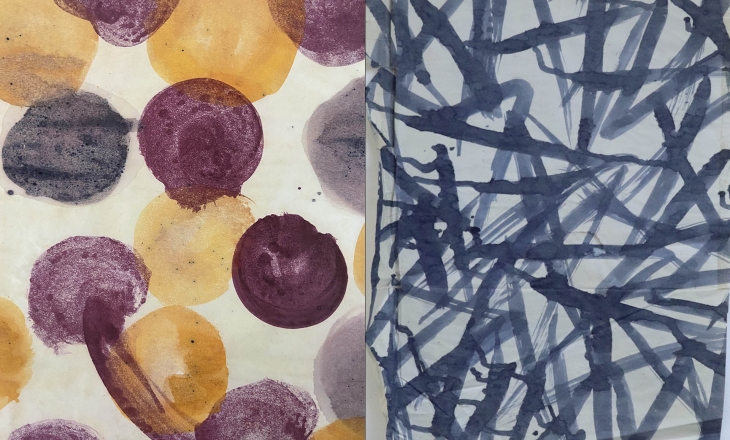
Growing commercial interest in traditional techniques has turned handmade irregularity into a marketable quality, yet the labour and knowledge behind it often go unexamined. Sayali Goyal, a textile visual artist, discusses natural dyes, mechanisation and the line between inspiration and extraction, and why communities should have a say in how their knowledge is represented and sold.

MORE
Interview | texfash
Bio-Based Textiles Need Honest Labels before Their Green Claims Can Be Trusted

Bio-Based Textiles Need Honest Labels before Their Green Claims Can Be Trusted

1 October 2026

Lower fossil-carbon content is increasingly presented as proof of sustainability, though a single percentage can obscure emissions, water use, durability and end-of-life outcomes. Kiki Chen, Global Marketing Communications Manager, Sorona Apparel at Covation Biomaterials, argues for clearer distinctions between feedstock, polymer and finished-product content, independent certification and fuller lifecycle disclosure before bio-based performance materials are judged.

MORE
Interview | texfash
How Changing Indian Bodies and Tastes Are Redrawing Intimatewear Manufacturing

How Changing Indian Bodies and Tastes Are Redrawing Intimatewear Manufacturing

22 September 2026

Seamless construction has given Indian intimatewear a new vocabulary of comfort, softness and stretch, yet the manufacturing economics behind it remain demanding. Pankaj Kabutarwala, Founder and Owner of Piccion, a venture of Pigeon Industries, argues that advanced Italian machinery matters far less than four decades of accumulated knowledge in yarns, dyeing and integrated garment production.

MORE
Analysis | texfash
Recycling Cannot Repair What the Production Phase Has Already Locked In

Recycling Cannot Repair What the Production Phase Has Already Locked In

2 September 2026

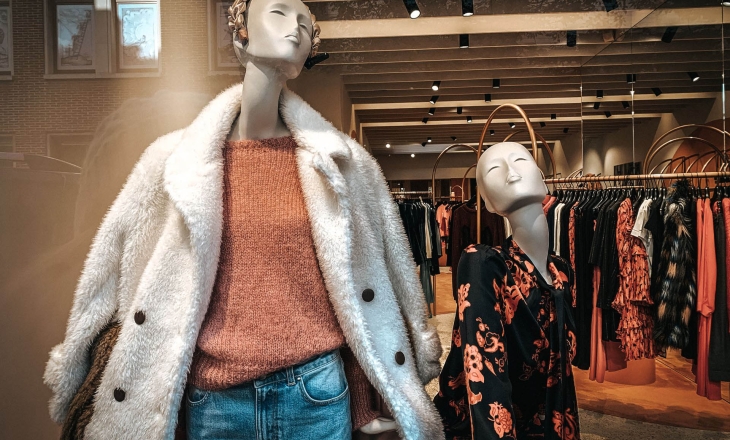
The environmental debate around fast fashion has long turned on a single question: cotton or polyester, which is greener. A comprehensive lifecycle assessment now suggests the question itself was misplaced. Tracing garments from raw material through disposal, the research finds transport mode and garment lifespan reshape emissions by margins that no fibre substitution can match.

MORE